There is a particular moment in every first international snack store visit when confidence gives way. You walk in planning to grab “a few interesting things,” and ten minutes later you are holding a bag with a smiling cartoon turnip on it, a wall of labels you cannot read, and no idea whether you are buying dinner or a dare. That moment is normal.
The trick is not to become an expert before you shop. It is to shop with a short, repeatable checklist so the decisions stay small and the basket stays interesting. Here is the one worth taking with you.
Set Your Limits Before the Doors Open
An international aisle is designed to overwhelm, in the best way. Without a limit, most first-timers either buy twelve versions of the same cheese puff or spend more than intended on three giant bags they will never finish.
Decide three things in the car or on the walk over: a budget, a number of items, and who is going to eat them. A workable starting point is a fixed budget roughly equal to what you would spend on a takeaway meal, plus eight to twelve single packs. Shopping for a household? Double the item count, keep the budget where it is. Shopping for yourself? Remember that a snack you dislike is a snack you still have to store.
Write the limit down on your phone. You will bargain with yourself at the register otherwise.
Read the Label in This Order
Ingredients first
Turn the pack over before you fall for the front. The first three ingredients tell you what the snack actually is: if sugar or palm oil leads the list, expect sweet and heavy; if the named ingredient leads, expect something closer to what the picture promises. Watch for the difference between “cheese flavour” and cheese, and between a fruit name and fruit juice concentrate. Both are legal. Neither is the same thing.
Allergens and warnings
Imported labels often carry a sticker with local-language allergens added by the importer, sitting alongside the original text. Read both. Look for “may contain” and “produced in a facility that also handles” lines, which matter if you are shopping for someone with an allergy or intolerance. If allergies are a factor, do not rely on a translated sticker alone: check the manufacturer's own information, ask the shop staff, and get proper advice from a qualified professional rather than guessing from a cartoon mascot.
Origin and dates
Country of origin shapes expectation. A biscuit made for a domestic market often tastes less sweet than the export version of the same brand, and a candy sold at home is frequently louder than its international twin. Then check the date. “Best before” is about quality, “use by” is about safety, and imported stock can sit in a warehouse for a while. No legible date anywhere on the pack is a reason to put it back.
Build a Balanced Basket, Not a Random Pile
Variety is what makes a first haul worth the money. Aim for one or two picks from each group below, then add a single wildcard you cannot quite justify.
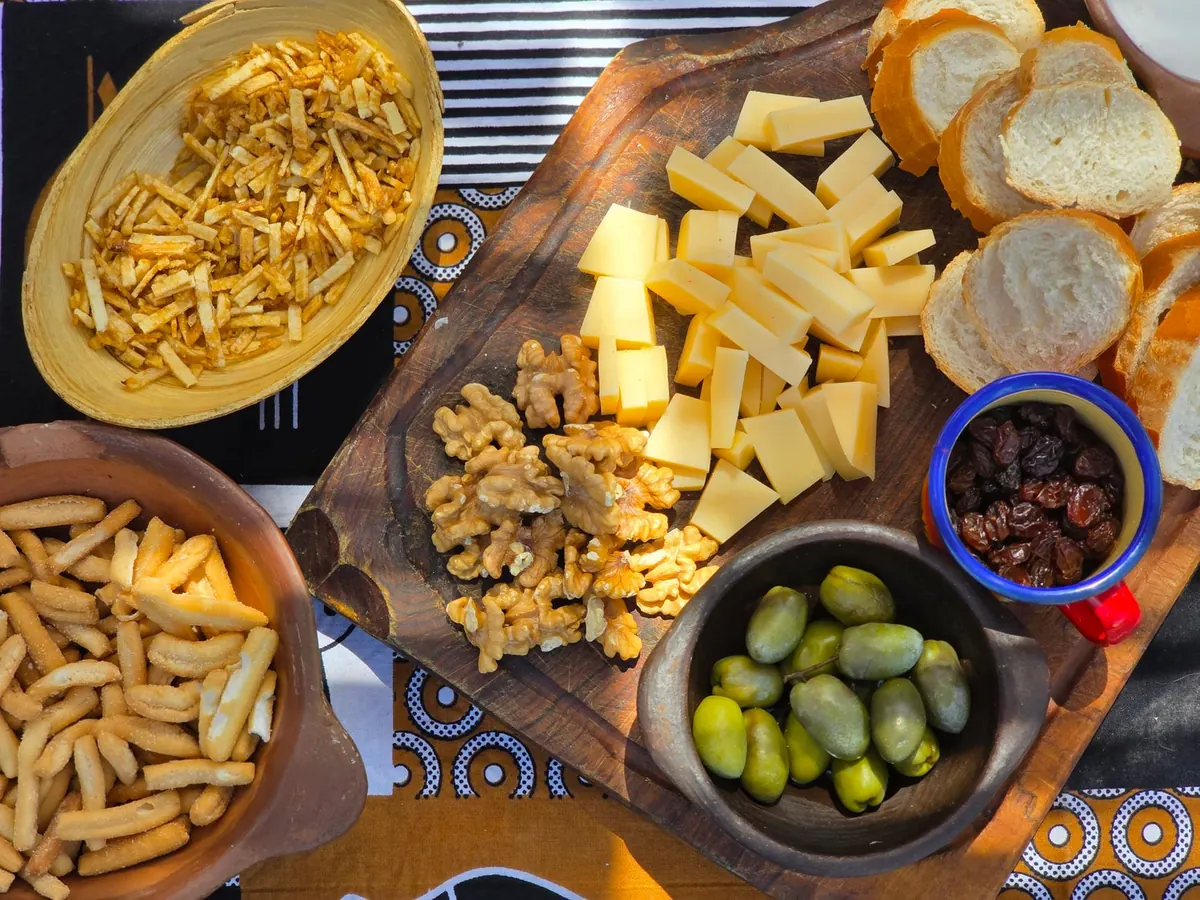
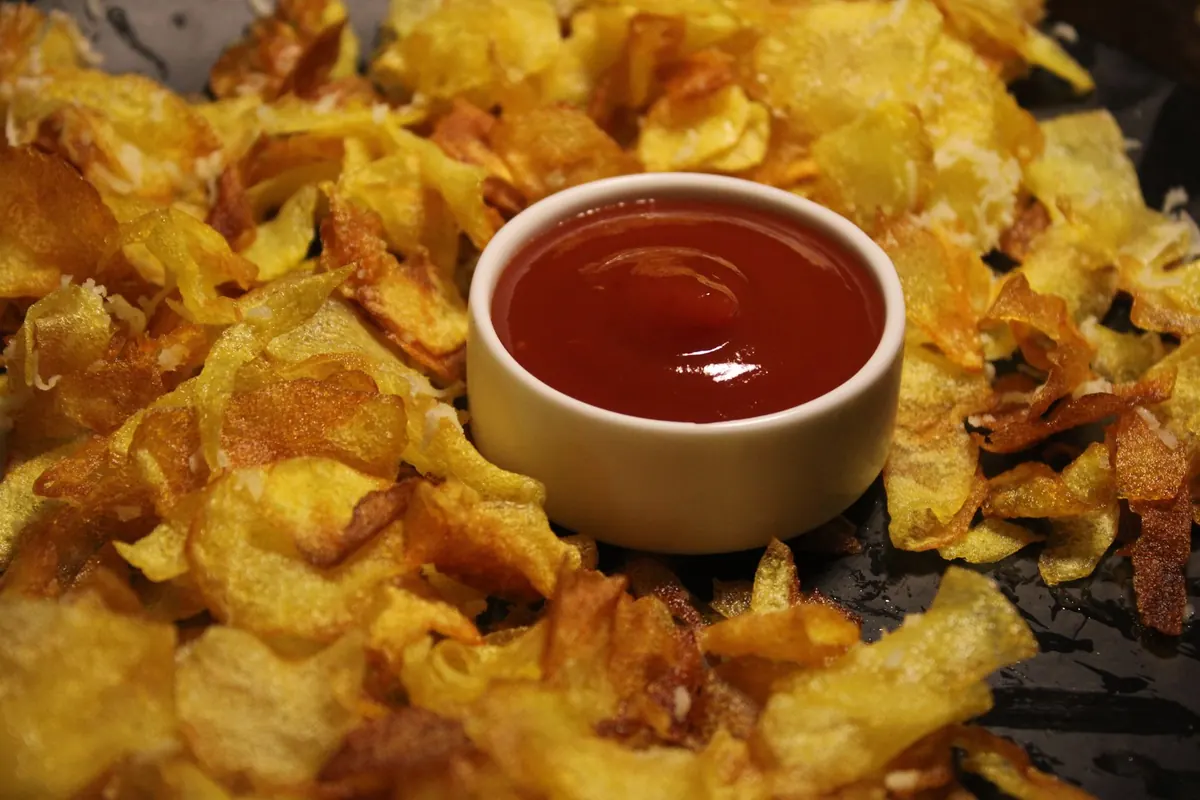
- Salty and crunchy. Shrimp crackers, seaweed sheets, corn puffs, rice crackers, nuts with unusual coatings.
- Sweet but not cloying. Mochi, halva, plain biscuits, chocolate with an inclusion you have not tried before.
- Sour. Tamarind candy, pickled plum, sour gummies, citrus powders. Buy one, not four.
- Spicy. Chili crisps, seasoned instant noodles, spicy dried snacks. One pack, and read the heat-level wording carefully.
- Savory and umami. Furikake, dried squid, bean paste snacks, seasoned nori, instant soup bases.
- A drink. Barley tea, yogurt drinks, fruit sodas, malt drinks. Useful for resetting your palate between tastes.
- One wildcard. The thing with the turnip on it.
That is roughly ten items and a genuinely balanced tasting session. If you want a rule of thumb: three picks you feel confident about, one that scares you a little.
Walk the Store in a Deliberate Order
Most international snack shops reward a slow perimeter lap before you commit. Start at the far wall and work back toward the entrance. The front-of-store displays are the impulse shelf, and they exist to catch you before you have a plan.
Shop by country rather than by craving. If you are assembling a Japanese selection, stay in that section long enough to compare three soy-sauce crackers instead of grabbing the first one you see. Photograph the labels of anything you plan to buy again; you will not remember the name of the good one three weeks later. And ask staff what they actually eat at home. In a specialty shop, that is usually the highest-value question available, and it costs nothing.
Buy Small, Take Notes, Share the Weird Ones
Single packs are the entire point of a first visit. Two small bags of different brands beat one large bag of either, because your goal is information, not inventory.
Keep a running note on your phone: item, country, a one-word verdict, and whether you would buy it again. Rate each out of five and be honest. After three or four visits, that list becomes more useful than any recommendation you read online.
Taste the strange one with someone else. A shared grimace is cheaper than a cupboard full of regret, and the good surprises are better with witnesses.
What to Leave on the Shelf This Time
Not everything deserves first-visit space. Skip these and your basket stays manageable:
- Anything with a broken seal, torn foil, or a pack that bulges when it should be flat.
- Packs with no legible date, or no importer or distributor details at all.
- Bulk duplicates of one snack. You are sampling, not stocking a vending machine.
- Extreme heat items, unless very spicy food is already routine for you.
- Chocolate and other heat-sensitive items if the trip home is long and warm.
The Five-Minute Check Before You Pay
Step out of the queue and run through it once:
- Count your items against your plan. Put back anything over the number.
- Add up the total before the register, not after.
- Squeeze every bag and check every seal.
- Confirm a readable date on each pack.
- Re-read the allergens on the two items you are least sure about.
- Make sure exactly one item is a wildcard. Zero is a boring haul; four is a wasted one.
- Check that you can carry it home and store it without half of it going soft.
Then pay, keep the receipt, and photograph it. It is the fastest way to find out what that excellent sesame snack was called when you inevitably want more.
Photo: StockSnap / Pixabay