You open a bag of something new — cilantro-lime tortilla chips, a green herb cracker, a fancy coconut-coated chocolate — and the first bite tastes like a squirt of washing-up liquid. Not spoiled, not stale. Soapy. You check the date, sniff the bag again, and wonder whether someone in the factory made a very bad day of it.
Usually nobody did. A soapy or metallic note is one of the most common surprises in the snack aisle, and it almost always comes from a real molecule doing exactly what it is supposed to do. Once you know which ingredients carry those notes and why your nose latches onto them, you can predict the effect before you buy — and stop wasting money on bags you will never finish.
What "Soapy" Really Means in Flavour Terms
Soap has a smell because soap is made from fats. When oils are broken apart, they release fatty acids and related compounds, and some of those — particularly certain aldehydes and medium-chain fatty acids — read to the human nose as "clean," "waxy," or plainly "soapy." The same classes of molecules turn up in fresh plants, dairy, and fats that have been sitting a little too long.
Here is the awkward part: the nose has no dedicated "soap" receptor. Your brain receives a chemical signal and matches it to the closest thing it already knows. If your library of smells includes a lot of soap and shampoo, a green, waxy, slightly fatty note gets filed there. Someone else smells the same molecule and calls it "fresh," "grassy," or "perfumed." Neither of you is wrong.
The three usual suspects
Most soapy complaints trace back to one of three families. Aldehydes — the green, waxy compounds behind cut grass and citrus peel — are the big one. Saponins, natural plant compounds that foam in water, give quinoa and some legumes a bitter, soap-like edge. Lauric-acid fats, found in coconut and palm kernel oil, taste faintly of soap even when perfectly fresh, because those are the very oils traditional soapmaking prefers.
Cilantro Is Just the Loudest Example
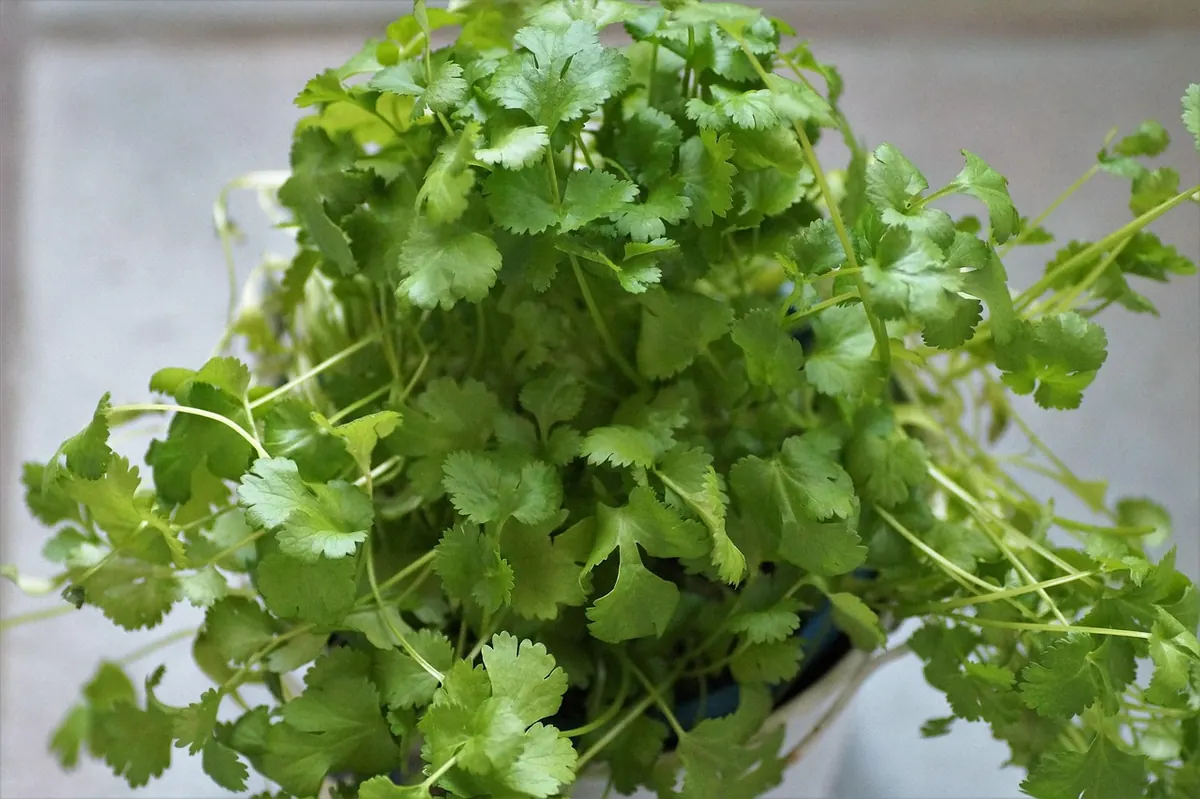
Cilantro is the famous case, and it is genuinely genetic. For a chunk of the population, the leafy herb delivers a sharp soapy hit, and research has linked that reaction to variations in a cluster of olfactory receptor genes, including one known as OR6A2 that is tuned to detect certain aldehydes. If cilantro tastes like soap to you, you are not being fussy — your nose is doing precisely what your DNA told it to.
What is less well known is how much preparation changes the effect. Cilantro is milder in the leaf and harsher when the stems are crushed or the herb is blended raw into a paste. Heat softens it; acid brightens it; a fat like oil or yogurt rounds off the sharp green edge. This is why the same person can hate raw cilantro in a salad and happily eat a cilantro-heavy curry. If a snack tastes soapy from cilantro, the culprit is often a dried herb rub or a raw paste rather than the leaf itself.
Beyond Cilantro: Other Soapy Notes in Snacks
Coriander seed, parsley, and dried herb blends sit in the same chemical neighbourhood and can trigger a similar reaction in sensitive tasters. So can several ingredients you would not expect. Here are the ones worth checking on a label:
- Coconut oil and palm kernel oil. Common in chocolate coatings, granola clusters, and "better for you" crisps. Fresh, they taste creamy; slightly old, they taste like a bar of soap.
- Saponin-rich plants. Quinoa puffs, some legume-based snacks, and certain seed mixes carry a bitterness that reads as soapy if the grain was not rinsed or processed thoroughly.
- Baking soda residue. Cheap crackers, pretzels, and some rice snacks use bicarbonate for texture; a heavy hand leaves a chalky, soapy tail.
- Licorice and anise. Genuine licorice root has a strong, somewhat waxy sweetness that plenty of people describe as soapy or medicinal.
- Beetroot and okra. Increasingly common in vegetable crisps, both carry earthy compounds that some tasters file under "soap."
- Perfumed flavourings. Rose, lavender, violet, and orange-blossom extracts in fancy chocolate or biscuits often land squarely in soap territory for anyone who associates those smells with toiletries.
There is a simple pattern: green, waxy, floral, and fatty. If a snack's ingredient list is heavy on any of those, expect at least a hint of soap in the finish.
The Metallic Note Is a Different Problem
Metallic is often confused with soapy, but it comes from a different set of causes. The most common in snacks is oxidation — fats that have gone slightly rancid, or omega-3-fortified bars and crackers where the added oils have turned. You will notice it as a tinny, blood-like, or coin-like sensation at the back of the mouth rather than a smell at the front of the nose.
Other sources worth knowing: iron fortification in breakfast biscuits and cereal bars, which can genuinely taste of metal to sensitive people; mineral and vitamin premixes in protein snacks; artificial sweeteners such as saccharin, which leave a metallic-bitter aftertaste for many tasters; and metal packaging, especially in acidic snacks like tomato-flavoured crisps or canned goods.
One sensible note: a metallic taste that lingers for days with no snack to blame is not a flavour-memory puzzle. It can have medical causes, so it is worth raising with a doctor rather than a snack review.
Why Two People Disagree About the Same Bag
Perception varies more than most shoppers realise. Genetics set the baseline — bitter and soapy sensitivities in particular run in families. Smell memory does the rest. If you grew up with coconut oil in cooking, you taste "creamy"; if your main exposure was shampoo, you taste "soap."
Concentration matters too. A faint trace of aldehyde reads as fresh and bright; the same molecule at three times the strength becomes a detergent note. Temperature shifts things again — warm chocolate releases more volatiles, so a soapy coating is usually more obvious at room temperature than straight from the fridge. Texture plays a supporting role: a fatty, melting base carries soapy aromas to the back of the nose and holds them there.
How to Diagnose a Weird Bag
Before you throw it out or write an angry review, run a short, structured tasting. It takes five minutes and teaches you a lot about your own palate.
- Smell before you bite. Open the bag and sniff. If the soap is already strong on the nose, it is a volatile compound — likely an herb, extract, or oxidised fat.
- Taste a plain piece. Where does the note appear? Front of the mouth suggests an aromatic flavouring; a coating that lingers after swallowing points to fat or a coating oil.
- Compare components. If the bag has a separate seasoning sachet, taste the base alone. This isolates whether the problem is the crisp or the powder.
- Check for oxidation. Smell the snack alongside a fresh handful from a second bag or a different brand. Rancid notes get stronger and flatter; ingredient notes stay consistent.
- Try a pinch of salt. Salt suppresses bitterness and some soapy notes. If the snack suddenly tastes normal, you are dealing with a bitter-leaning compound, not spoilage.
- Read the label again. Look for coconut or palm kernel oil, herb powders, liquorice, bicarbonate, mineral premixes, and floral extracts. One of them will usually explain it.
Practical Fixes for the Soapy Snack Shelf
If you have found your trigger, work around it rather than avoiding whole categories. With coconut-oil coatings, buy smaller bars and eat them fresh — the soapy edge grows with age, so rotating stock helps. For herb-heavy snacks, look for baked or fried versions over raw dried rubs, since heat blunts the harshest green notes. A squeeze of lemon or a pinch of salt rescues crackers with bicarbonate residue, and pairing a heavily floral chocolate with something salty or dairy-based mutes the perfume.
If a bag is genuinely rancid, though, no trick will save it. Oxidation is not a personality trait, and a stale, tinned smell means the fats have turned. Bin it, and note the brand and batch so you can skip that combination next time. Keep a short list on your phone of the ingredients that read as soap to you — after two or three shopping trips, you will spot them on a label before they ever reach your mouth.
Photo: ivabalk / Pixabay